
Project context
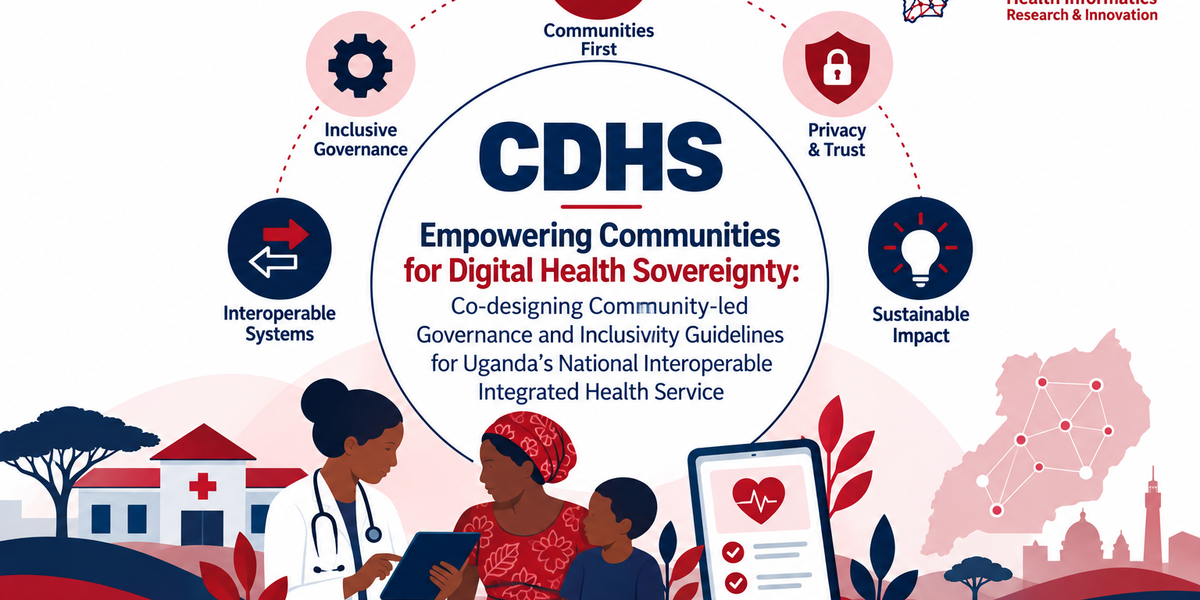
Uganda is implementing the National Interoperable Integrated Health Service (NIHS) to improve interoperability across health information systems. Previous FCDO-funded research (2019-2022) identified barriers including user resistance, privacy concerns, limited community engagement and governance challenges. This project will support community-led governance and inclusivity mechanisms to improve uptake and sustainability of digital health systems in Uganda.
Project Overview
Uganda faces severe health challenges from three major infectious diseases: HIV, tuberculosis (TB), and malaria. Over 1.5 million Ugandans live with HIV, and many also suffer from TB, while malaria remains a leading cause of illness for young children and pregnant women. While Uganda has excellent medical guidelines, health facilities struggle to track patients because they rely on paper records or isolated computer systems that cannot "talk" to each other. When a patient moves or visits a new health facility, their medical history doesn’t follow them. This leads to repeated tests, delayed care, and mistakes in treatment.
To solve this, a secure digital bridge called the “National Interoperable Integrated Health Service (NIHS)” is being built to link these disconnected digital systems. However, our previous feasibility research showed that digital systems often fail due to user resistance, fear of privacy leaks, and a lack of local community involvement.
Accordingly, this project puts communities, patients, and frontline health workers at the heart of the NIHS rollout. We will engage Village Health Teams (VHTs) and Community Health Extension Workers (CHEWS), and local leaders across national, regional, and district health facilities. Together, we will co-design the guidelines / protocols for how patient data is securely shared across existing digital health platforms such as eAFYA, Clinic Master, UgandaEMR/OpenMRS, and DHIS2. By creating simple training toolkits, mobile phone SMS/USSD menus in local languages, and community governance charters, we will ensure that the NIHS is trusted, secure, easy to use, and capable of protecting vulnerable lives across Uganda.
Objectives
- Co-design community-led governance mechanisms for digital health data sharing
- Develop and validate a Community Charter on Health Data Privacy and Digital Health Sovereignty
- Improve trust, awareness and uptake through community engagement and digital health literacy tools
- Support integration of community-led governance approaches into national digital health policy and practice.
Methodology and Activities
01
Phase 1
Mobilisation and evidence adaptation including ethics approvals, toolkit development and stakeholder mobilisation.
02
Phase 2
Regional co-design and validation workshops and Community Health Data Meetings.
03
Phase 3
National institutionalisation, policy engagement and dissemination.
Outputs and Deliverables
- Community Health Data Meeting reports
- Digital health literacy toolkit and SMS/USSD prototypes
- Community Charter for Digital Health Sovereignty (CDHS)
- Policy brief
- Research uptake case study
Research team
-
 Prof. Josephine Nabukenya
Principal Investigator
Makerere University
Prof. Josephine Nabukenya
Principal Investigator
Makerere University
-
 Dr. Charles Olaro
Co-Principal Investigator
Ministry of Health, Uganda
Dr. Charles Olaro
Co-Principal Investigator
Ministry of Health, Uganda
-
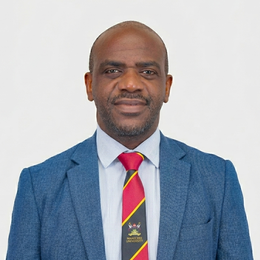 Dr. Ivan Kimuli
Investigator
Makerere University
Dr. Ivan Kimuli
Investigator
Makerere University
-
 Dr. Mercy Rebekah Amiyo
Investigator
Makerere University
Dr. Mercy Rebekah Amiyo
Investigator
Makerere University
-
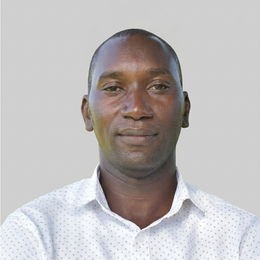 Dr. Achilles Kiwanuka
Investigator
MRC/UVRI Uganda
Dr. Achilles Kiwanuka
Investigator
MRC/UVRI Uganda
-
 Ms. Stella Kakeeto
Project Manager
Makerere University
Ms. Stella Kakeeto
Project Manager
Makerere University
Collaborators
Ministry of Health (MoH), Republic of Uganda